Project documents
Read and download the materials, reports and publications developed throughout the project.
Latest documents
 Behaviour Biodiversity intersectionality PolicyResearch report
Knowledge products, including synthesis of the applicability of behaviour science and intersectionality for prioritising biodiversity into relevant EU and global processes
The IPBES Transformative Change Assessment (2024) makes clear, fundamental and systemic change is essential to reverse current trends of biodiversity crisis. It calls for a rethinking of how societies value and relate to the natural world, recognising that well-being, justice and care for the planet are interconnected dimensions of sustainable prosperity. PLANET4B addresses these implementation challenges [...]
 Behaviour Biodiversity intersectionalityResearch report
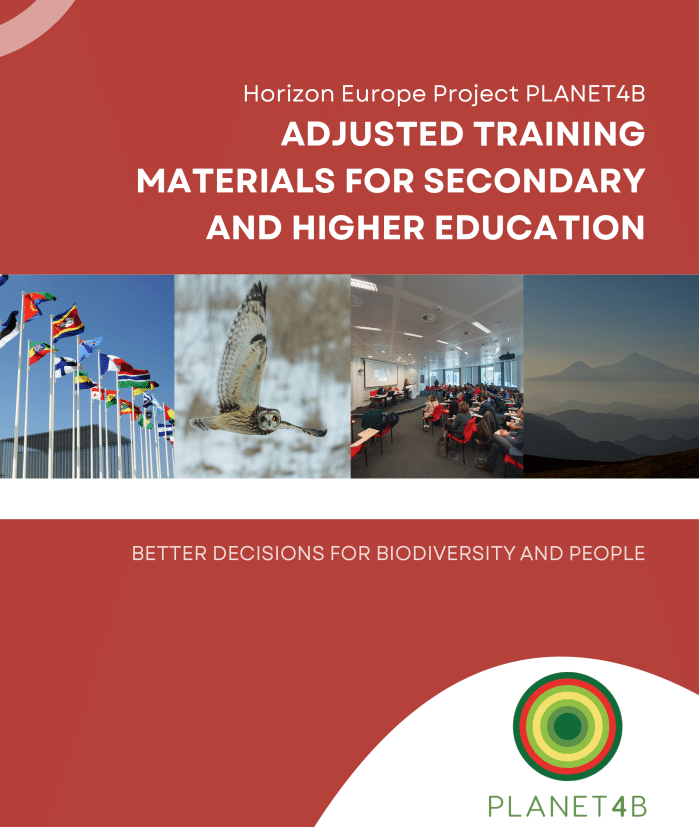
Adjusted training materials for secondary and higher education
This deliverable presents the development and testing of the PLANET4B Biodiversity Engagement Course for Educators. By providing educators in secondary and higher education with transdisciplinary training and teaching materials on biodiversity and the biodiversity crisis, the Course aims to build educators’ capacity to teach about these themes through systems thinking, intersectionality and creative and experiential learning, thereby inspiring students to take [...]
 Behaviour Biodiversity intersectionality Policy researchResearch report
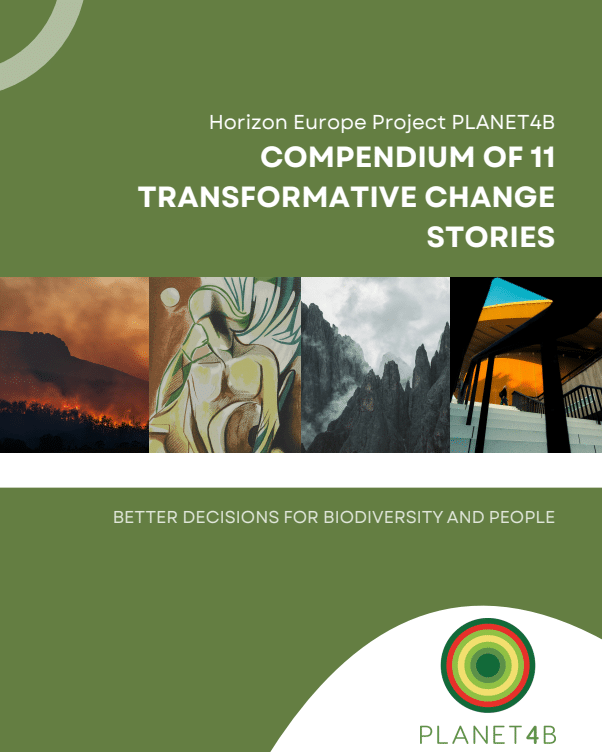
Compendium of 11 Transformative Change Stories
This report presents the Compendium of 11 Transformative Change Stories developed within the PLANET4B project. The stories show how biodiversity-related decision-making is inseparable from social practices, values, identities, and institutions, and how participatory approaches can generate pathways toward more just and biodiversity-positive futures. The 11 stories cover two clusters: five place-based cases focusing on intersectional [...]
All documents
 Behaviour brief PolicyResearch brief
Exploring System Mapping and Leverage Points for Transformative Change
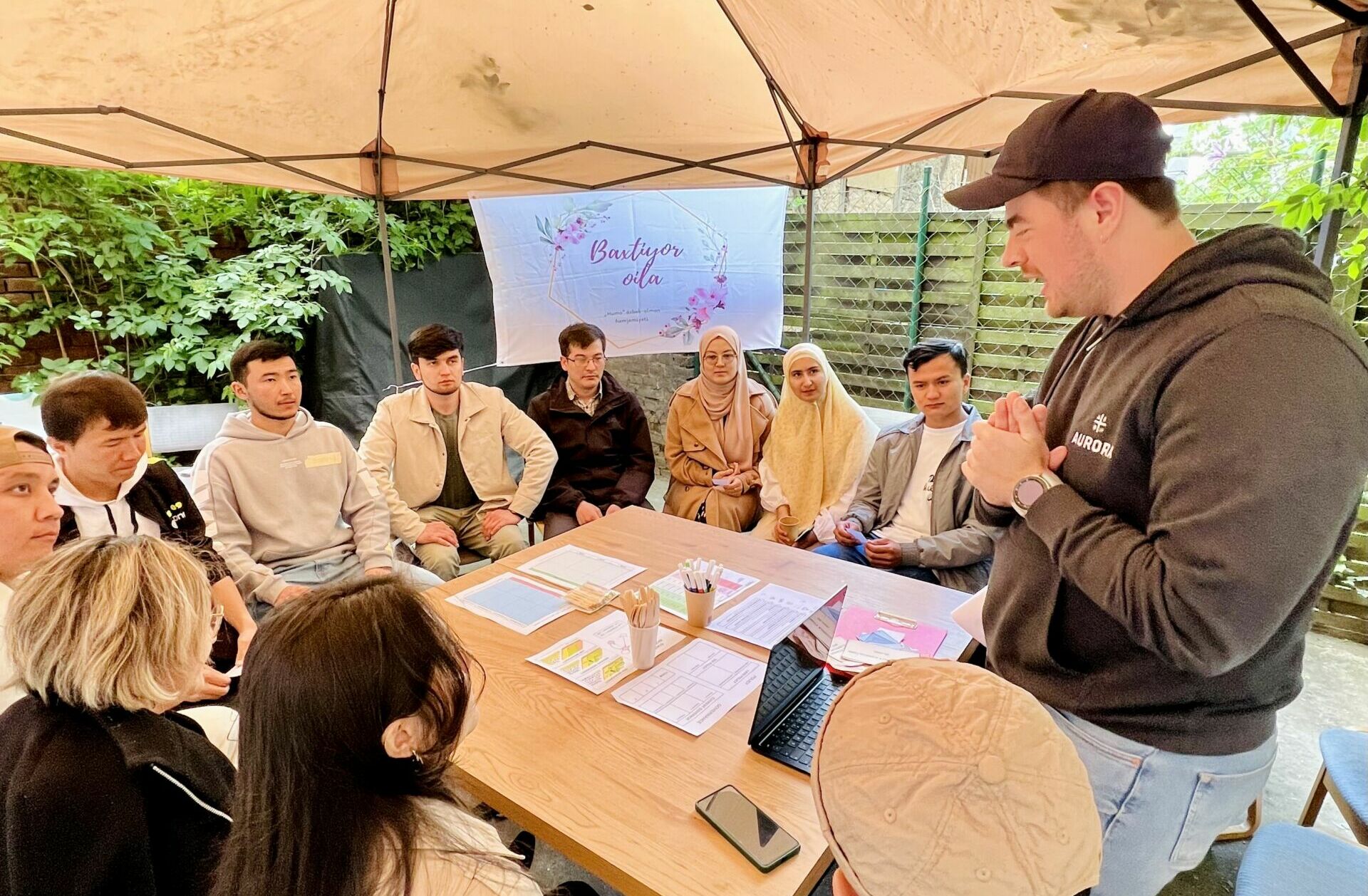
Who needs to be convinced that children with disabilities should have opportunities to connect with nature and experience its closeness? Can a local chef, a religious leader, or a school principal play a key role in preserving biodiversity? Can Amazonian Indigenous communities influence the ecological footprint of Europeans? What could replace fast fashion if we want to protect the planet? These questions were among those explored by participants of the PLANET4B [...]
 Behaviour Biodiversity intersectionality researchResearch report
This report summarises the results of system mapping and leverage points from all case studies conducted within the PLANET4B project, which aims to foster transformative change in biodiversity decision-making. […]
 Behaviour Biodiversity brief intersectionality researchResearch brief
Guidelines for transdisciplinary research
The latest analysis of the PLANET4B project - Transdisciplinary diagnostic framework for biodiversity decision-making assessment - summarises the results of nearly one and a half years of intensive methodological research. This comprehensive study proposes a methodological framework that helps examine decision-making and influencing decisions about biodiversity by involving numerous scientific disciplines. Read about the findings of our latest research report in brief.
 Behaviour Biodiversity brief intersectionalityResearch brief
The document provides a brief summary of the Report on pre-test and pre-validation of contextualised intervention methods, which describes and analyses the methodologies applied, pre-tested, and adapted by the PLANET4B case studies.
 Behaviour Biodiversity brief intersectionality PolicyResearch brief
The success of any research is based on well-defined theories and on the accurate methodology used by the researchers. But working on transdisciplanry researches can be a special challange. What is the key to find a common language and develop a common working methodology between the academic researchers, practice partners and the societal stakeholders? How can we apply theoretical frameworks into research and how do we manage the limitations? Read about [...]
 Behaviour Biodiversity researchWorkshop report
The aim of the joint working methodology is to understand each other's knowledge base, mindset and expectations, so that project partners (academics, practice partners and societal stakeholders) can work effectively on common research topics. To address this challenge, social science theories and methodologies applied in the project were debated in a workshop to explore their practical implications for research, interventions, policy, and communication. The report summarises the process and outcomes of [...]