Project documents
Read and download the materials, reports and publications developed throughout the project.
Latest documents
 brief PolicyResearch brief
Fashion Forward
Policy Pathways for a Biodiversity-Positive Transformation of the EU Fashion Sector
The fashion sector plays a significant role in the European economy and cultural identity. As a global trendsetter and one of the world’s top exporters, Europe’s fashion system, comprising the fashion, textile and apparel industries, shapes consumption patterns far beyond its borders. This global reach, however, carries significant environmental costs. The fashion sector contributes to [...]
 brief PolicyResearch brief
Private Finance and Cognitive Biases
A Theory of Change for Aligning Financial Actor Behaviour with Global Biodiversity Goals
Global biodiversity loss poses substantial risks to human well-being and economic stability. Yet, human activity has accelerated the decline in biodiversity to rates unprecedented in human history. Reducing the underlying drivers of biodiversity loss requires transforming the global economy. Financial institutions have a fundamental role to play in this transformation. Read our recommendations for policymakers [...]
 brief PolicyResearch brief
Resilient Trade Beyond Traceability
Strengthening the EU–Brazil Partnership for Nature and People
Ensuring that competitiveness and sustainability reinforce rather than undermine each other will be critical for long-term resilience in EU’s trading partnerships. Reducing dependencies on environmentally harmful and socially inequitable supply chains is essential to achieving such resilience, and for the global transition to sustainable trade
All documents
-
brief PolicyResearch brief
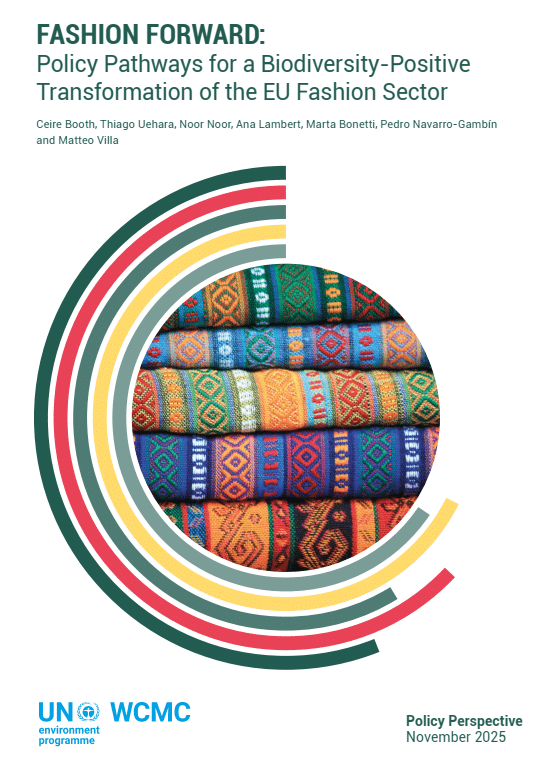
Policy Pathways for a Biodiversity-Positive Transformation of the EU Fashion Sector
The fashion sector plays a significant role in the European economy and cultural identity. As a global trendsetter and one of the world’s top exporters, Europe’s fashion system, comprising the fashion, textile and apparel industries, shapes consumption patterns far beyond its borders. This global reach, however, carries significant environmental costs. The fashion sector contributes to biodiversity loss through land use change, pollution and greenhouse gas emissions linked to material extraction, [...]
-
brief PolicyResearch brief
A Theory of Change for Aligning Financial Actor Behaviour with Global Biodiversity Goals
Global biodiversity loss poses substantial risks to human well-being and economic stability. Yet, human activity has accelerated the decline in biodiversity to rates unprecedented in human history. Reducing the underlying drivers of biodiversity loss requires transforming the global economy. Financial institutions have a fundamental role to play in this transformation. Read our recommendations for policymakers to help align private financial flows with global biodiversity goals.
-
brief PolicyResearch brief
Strengthening the EU–Brazil Partnership for Nature and People
Ensuring that competitiveness and sustainability reinforce rather than undermine each other will be critical for long-term resilience in EU’s trading partnerships. Reducing dependencies on environmentally harmful and socially inequitable supply chains is essential to achieving such resilience, and for the global transition to sustainable trade
 brief PolicyResearch brief
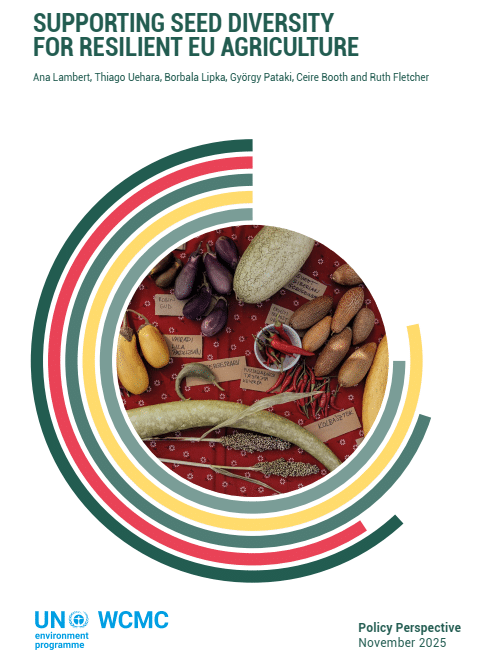
Seed diversity is central to adaptation. Locally adapted conservation varieties help crops withstand heat, drought, and pests, while reducing vulnerability to shocks. Where diversity is lost, systems become more fragile, and recovery is slower. Read the Policy Perspective from PLANET4B researchers and policy experts on how to preserve biodiversity in agriculture.
 Behaviour Biodiversity brief intersectionality PolicyResearch brief
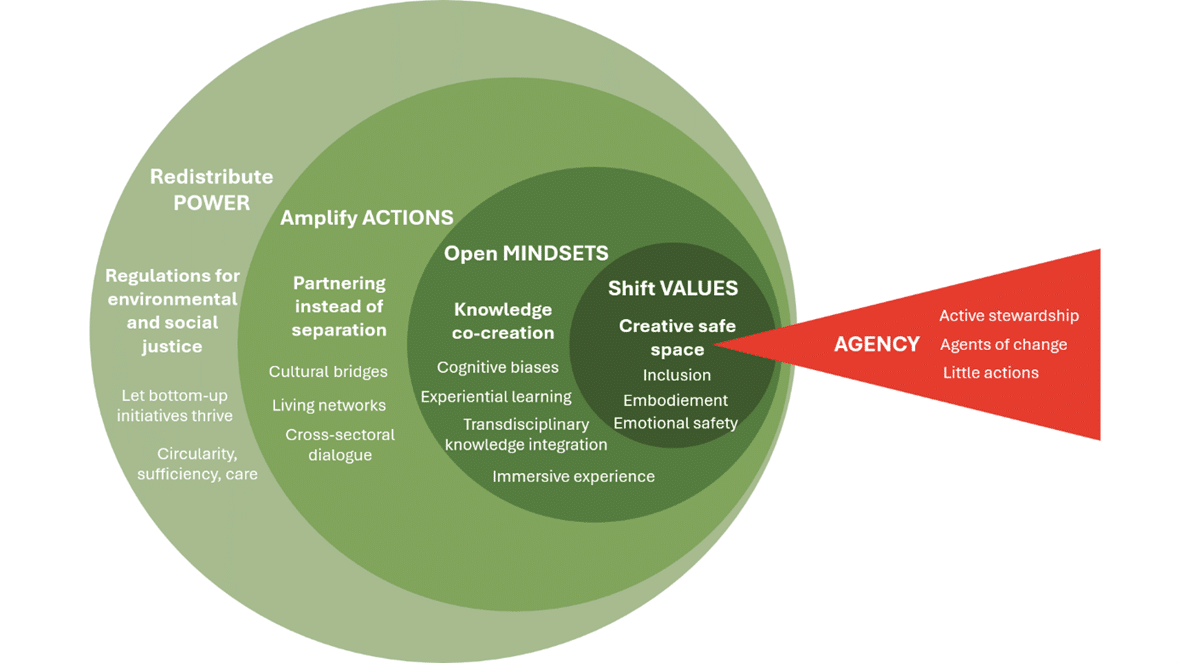
How can we move beyond well-worn communication panels, alarming statistics, and broad statements? The PLANET4B project addresses this challenge, and co-created place-based experiments and examined sector-based examples that reveal leverage points and enabling conditions for transformative change at the individual, community, and institutional levels. The document briefly summarizes the comprehensive analysis of the eleven transformative change stories based on the project's case studies.
 Behaviour Biodiversity intersectionality PolicyResearch report
The IPBES Transformative Change Assessment (2024) makes clear, fundamental and systemic change is essential to reverse current trends of biodiversity crisis. It calls for a rethinking of how societies value and relate to the natural world, recognising that well-being, justice and care for the planet are interconnected dimensions of sustainable prosperity. PLANET4B addresses these implementation challenges through an integrated focus on plural values, behavioural change, intersectionality, leverage points and transformational change. [...]